
Comparing Digital Marketing Strategies for B2B vs. B2C Companies
Understanding the Distinctions
When it comes to digital marketing, B2B and B2C companies often have differing strategies due to the distinct nature of their audiences. While both aim to drive engagement and conversions, the approach can vary significantly. Understanding these differences is crucial for crafting effective marketing campaigns.
For B2B companies, the focus is typically on building relationships and showcasing expertise. This often involves longer sales cycles and decision-making processes that depend on logic and ROI. On the other hand, B2C companies usually target individual consumers, relying on emotional appeals and quicker purchasing decisions.

Target Audience and Messaging
B2B Targeting and Messaging
B2B marketers usually target specific roles within a company, such as decision-makers or influencers. The messaging is centered around demonstrating value and solving business problems. Content like white papers, case studies, and webinars are effective tools in this space.
B2C Targeting and Messaging
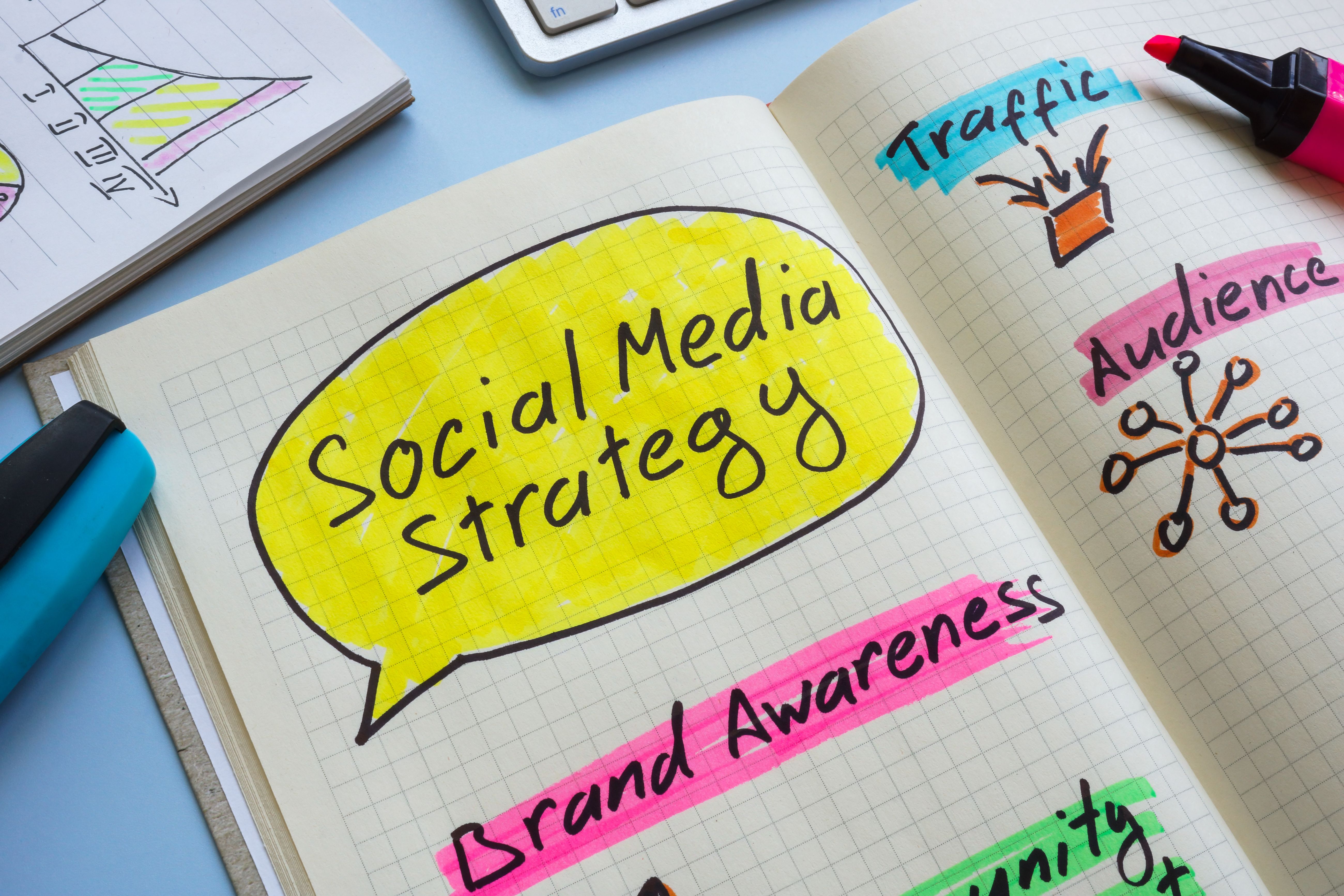
In contrast, B2C marketing is aimed at a wider audience, focusing on individual consumers. The messaging is often more personal and emotional, aiming to create an immediate connection. Social media, influencer collaborations, and engaging advertisements are common tactics used to attract consumers quickly.
Sales Cycle and Conversion
B2B Sales Cycle
The B2B sales cycle is generally more prolonged and involves multiple stakeholders. This necessitates a nurturing approach, with strategies like email marketing campaigns and personalized follow-ups to maintain engagement throughout the decision-making process.
B2C Sales Cycle
B2C companies typically experience shorter sales cycles. Conversions can happen swiftly following initial contact, especially if the marketing campaign effectively taps into consumer desires. Techniques like flash sales, limited-time offers, and easy checkout processes facilitate quicker conversions.

Choosing the Right Platforms
Another key distinction between B2B and B2C digital marketing strategies is the choice of platforms. B2B companies often leverage LinkedIn, industry-specific forums, and professional networks to reach their target audience. These platforms are ideal for sharing insightful content and fostering professional relationships.
B2C marketers, meanwhile, tend to focus on platforms like Instagram, Facebook, and TikTok, where they can engage directly with consumers. These platforms offer dynamic ways to showcase products and connect with audiences through visually appealing content and interactive features.

Metrics and Measurement
Success metrics also differ between B2B and B2C strategies. B2B marketers often focus on lead generation, lead nurturing, and conversion rates as key performance indicators. They may also track engagement metrics on content like webinars or white papers.
B2C companies, however, typically emphasize metrics such as website traffic, social media engagement, and customer retention rates. They also pay close attention to customer feedback and reviews to continuously refine their marketing strategies.

In conclusion, while both B2B and B2C digital marketing strategies aim to drive results, understanding their unique characteristics is crucial. By tailoring approaches to the specific needs and behaviors of their target audiences, companies can create more effective and impactful marketing campaigns.