
Exploring the Role of AI Agents in Modern SaaS Integration
Introduction to AI in SaaS Integration
As businesses increasingly rely on Software as a Service (SaaS) solutions, the demand for seamless integration between different platforms has grown. This is where AI agents come into play, offering transformative capabilities that enhance connectivity and efficiency. By leveraging AI, companies can automate complex tasks, streamline workflows, and improve decision-making processes.
The Evolution of AI Agents
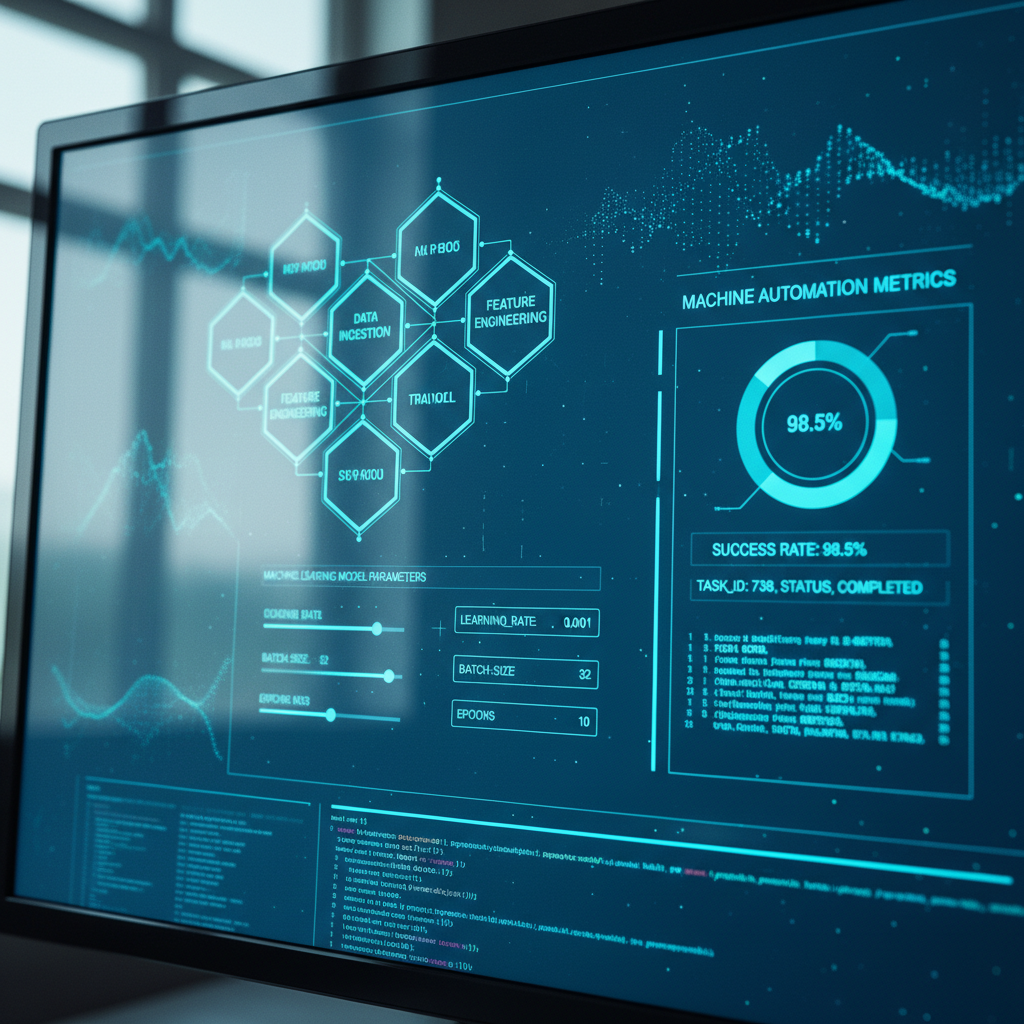
AI agents have evolved significantly over the past few years. Initially designed for simple automation tasks, they now incorporate advanced machine learning algorithms that allow them to perform more sophisticated functions. These agents can understand context, learn from interactions, and even predict future trends, making them invaluable in modern SaaS environments.
One major advancement is the ability of AI agents to interact with multiple SaaS platforms simultaneously. This capability enables businesses to synchronize data across different applications, reducing redundancy and enhancing productivity.
Benefits of AI Agents in SaaS Integration
AI agents offer numerous benefits when integrated into SaaS ecosystems. Some of the key advantages include:
- Automation of Repetitive Tasks: AI agents can handle routine tasks, freeing up human resources for more strategic activities.
- Enhanced Data Analysis: These agents can analyze large datasets quickly and accurately, providing insights that drive better decision-making.
- Improved Customer Experience: By integrating customer data across platforms, AI agents can personalize interactions and improve service delivery.
Challenges and Considerations
Despite their benefits, integrating AI agents into SaaS applications is not without challenges. One major concern is data security, as these agents often require access to sensitive information. Ensuring that robust security measures are in place is crucial to protect data integrity.
Another consideration is the potential for integration complexity. As AI agents become more sophisticated, ensuring compatibility with existing systems can be challenging. Proper planning and execution are essential to address these issues.
Future Trends in AI and SaaS Integration
The future of AI agents in SaaS integration looks promising. As technology advances, we can expect these agents to become even more intelligent and intuitive. Emerging trends include:
- Increased Use of Natural Language Processing (NLP): Enabling more natural interactions between users and AI agents.
- Greater Emphasis on Predictive Analytics: Allowing businesses to anticipate customer needs and market changes.
- Enhanced Cross-Platform Integration: Facilitating smoother operations across diverse SaaS applications.

Conclusion
AI agents are revolutionizing the way businesses integrate and utilize SaaS applications. By automating tasks, enhancing data analysis, and improving customer experiences, they offer substantial value. However, companies must address security and integration challenges to fully leverage these technologies. As AI continues to evolve, its role in SaaS integration is set to expand, offering even more opportunities for innovation and growth.