
Integrating AI Agents with Web Applications: Best Practices and Insights
Understanding AI Integration with Web Applications
The integration of AI agents into web applications has revolutionized how businesses interact with users, providing personalized experiences and automating complex processes. Understanding the intricacies of this integration can ensure a smooth transition and maximize the benefits of AI technology.
AI agents can analyze vast amounts of data to offer insights, make predictions, and automate tasks. This capability allows web applications to become more interactive and responsive to user needs, leading to improved user satisfaction and engagement.

Choosing the Right AI Agent
When integrating an AI agent, it is essential to select the right model that aligns with your application's goals. Consider factors such as the complexity of tasks, the volume of data, and the level of interaction required. Popular choices include natural language processing (NLP) models for chatbots and machine learning models for data analysis.
Compatibility with existing systems is another crucial consideration. Ensure the AI agent can seamlessly integrate with your current tech stack without disrupting operations. This will facilitate a smoother implementation process and reduce potential downtime.
Ensuring Data Privacy and Security
As AI agents handle sensitive data, maintaining privacy and security is paramount. Employ robust encryption methods and adhere to privacy regulations like GDPR to protect user information. Regularly update security protocols to safeguard against potential threats.
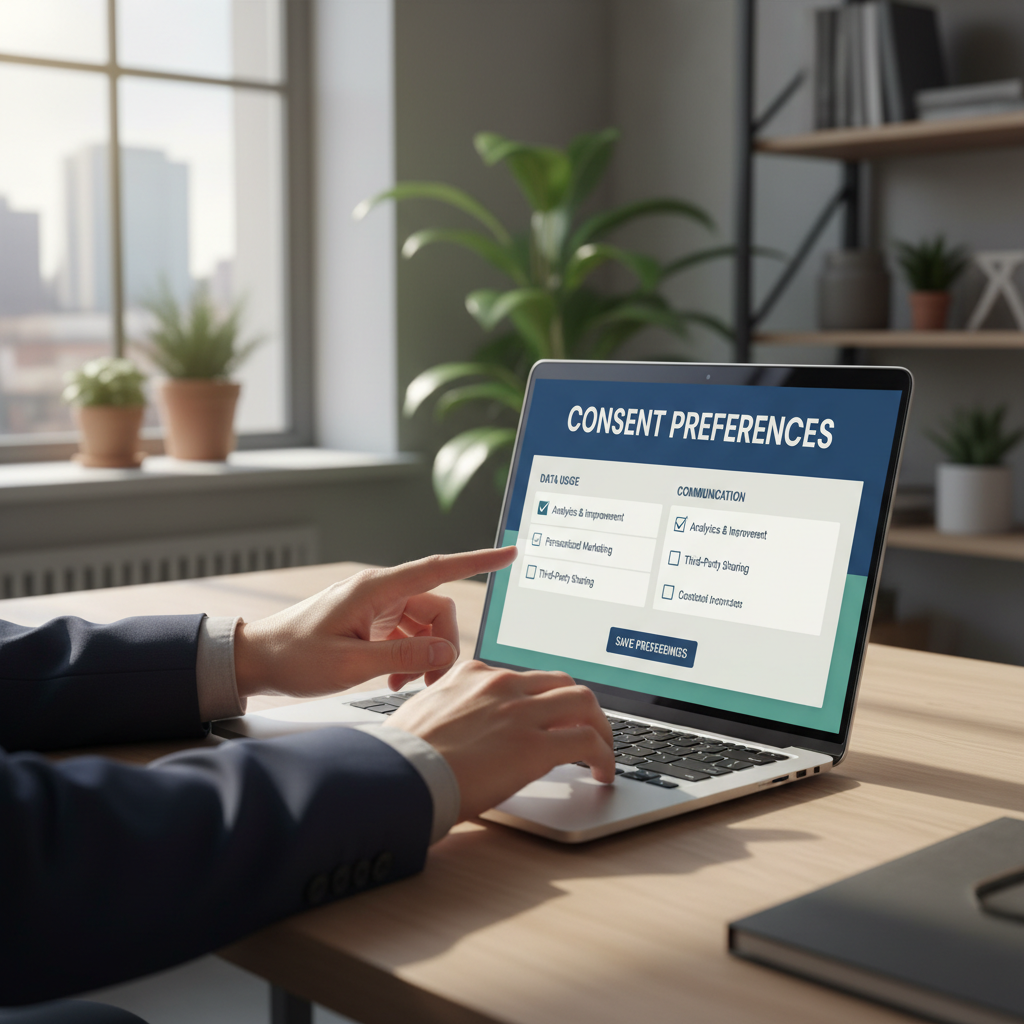
Transparency is also essential. Clearly communicate to users how their data is being used and the benefits they derive from it. This approach builds trust and encourages user engagement with the AI-powered features of your application.
Optimizing AI Performance and User Experience
Testing and optimization are crucial steps in AI integration. Conduct rigorous testing to ensure the AI agent performs as expected and delivers accurate results. Continuously monitor performance metrics and user feedback to make necessary adjustments.
Enhancing the user experience involves making interactions with AI agents intuitive and user-friendly. Design interfaces that are easy to navigate and provide clear instructions for users to follow. This will improve user satisfaction and encourage regular use of AI-driven features.

Future Trends and Considerations
As AI technology continues to evolve, staying informed about emerging trends is crucial. Innovations like AI-driven analytics and advanced machine learning models can offer new opportunities for enhancing web applications. Keeping abreast of these developments will ensure your application remains competitive and relevant.
Consider scalability when planning AI integration. As your user base grows, ensure that your AI systems can handle increased demand without compromising performance. Planning for scalability will provide long-term benefits and support business growth.
Conclusion
Integrating AI agents with web applications offers numerous benefits, from improved user interactions to streamlined operations. By following best practices and staying informed about technological advancements, businesses can harness the full potential of AI, creating more dynamic and effective web applications.