
Optimizing Your Website with WebMCP's Declarative HTML Annotations for AI Agents in 2026
Introduction to Declarative HTML Annotations
As we move further into 2026, web development continues to evolve, offering new tools and techniques to enhance user experience and functionality. One such advancement is WebMCP's Declarative HTML Annotations, designed specifically for AI agents. These annotations enable seamless integration of AI capabilities into websites, optimizing them for better interaction and performance.
Declarative HTML Annotations allow developers to embed instructions directly into HTML elements. This guides AI agents on how to process and interact with various components of a webpage, making your website smarter and more responsive to user needs.
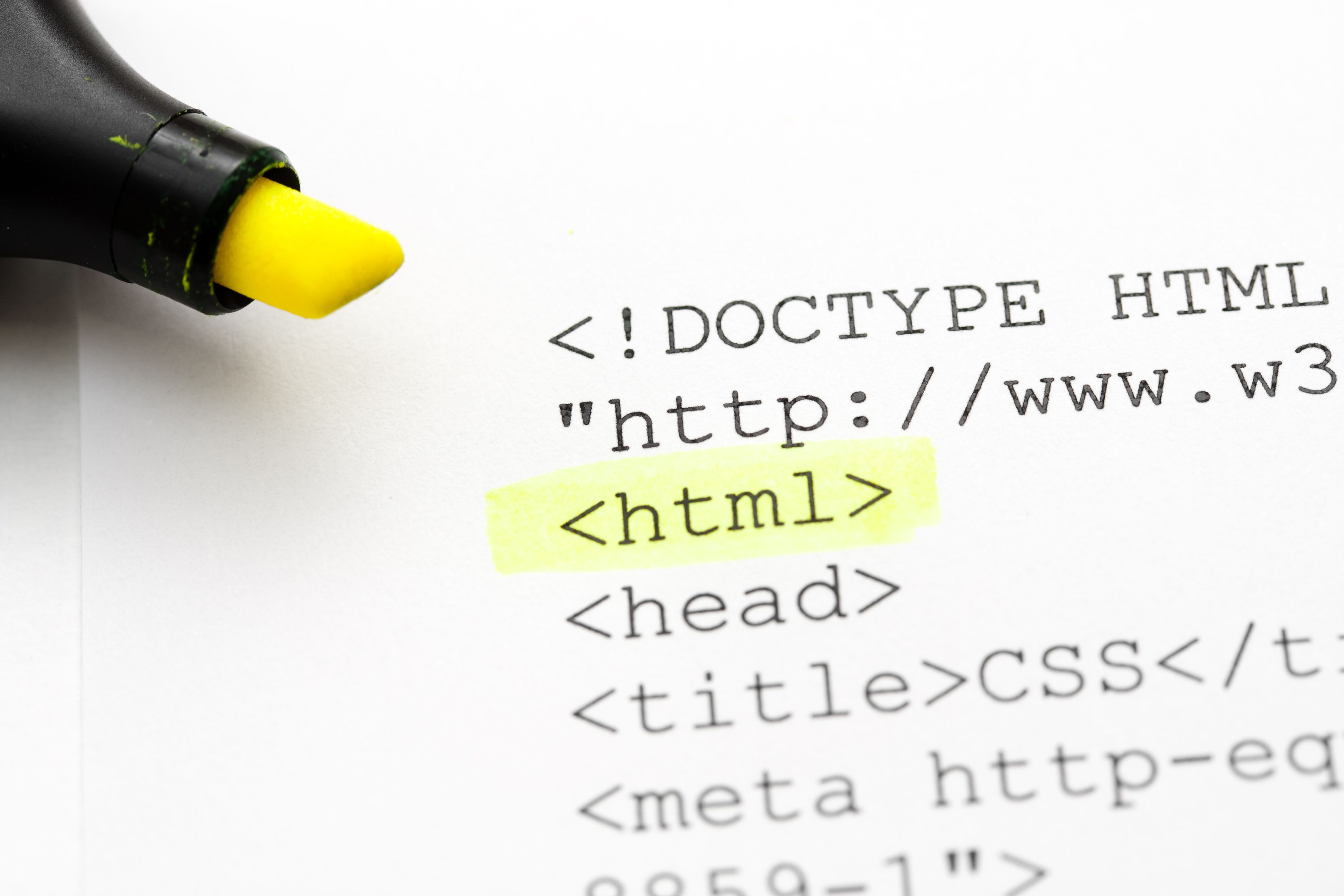
Why Use WebMCP's Declarative HTML Annotations?
The primary advantage of using these annotations lies in their ability to enhance a website's interactivity without extensive programming. By providing AI agents with clear directives on how to interact with elements, websites can offer personalized user experiences that adapt in real-time. This is especially useful for e-commerce platforms, educational sites, and any domain where user engagement is critical.
Another benefit is the simplification of complex tasks. With declarative annotations, developers can manage AI interactions without delving deep into intricate code, thus streamlining the development process and reducing potential errors.
Implementing Declarative HTML Annotations
Integrating these annotations into your website is a straightforward process. Begin by identifying the elements that will benefit from AI interaction. Common examples include forms, images, and dynamic content areas. Once identified, you can embed specific annotations that instruct AI agents on how to handle these elements effectively.

For instance, an annotation might specify that an AI agent should summarize lengthy text, suggest related products, or translate content based on user preferences. This level of detail ensures that your AI tools are not only functional but also aligned with your website’s goals and user expectations.
Best Practices for Using Annotations
While incorporating declarative annotations, it's vital to follow best practices to ensure seamless functionality. Here are some key points to consider:
- Keep annotations clear and concise to avoid confusing AI agents.
- Regularly update annotations to align with evolving AI capabilities.
- Test annotations in various scenarios to ensure consistent performance.
Future Implications
The use of declarative HTML annotations is just the beginning. As AI technology advances, we can expect even more sophisticated interactions between users and websites. These annotations will likely evolve to accommodate new AI functionalities, making them an essential tool for future-proofing your web presence.

By staying ahead of the curve and implementing these cutting-edge techniques, businesses can ensure they remain competitive in the digital landscape, offering users an experience that is both engaging and intuitive.