
Understanding Emerging Digital Trends in Real Estate Marketing with AI Tools
Introduction to AI in Real Estate Marketing
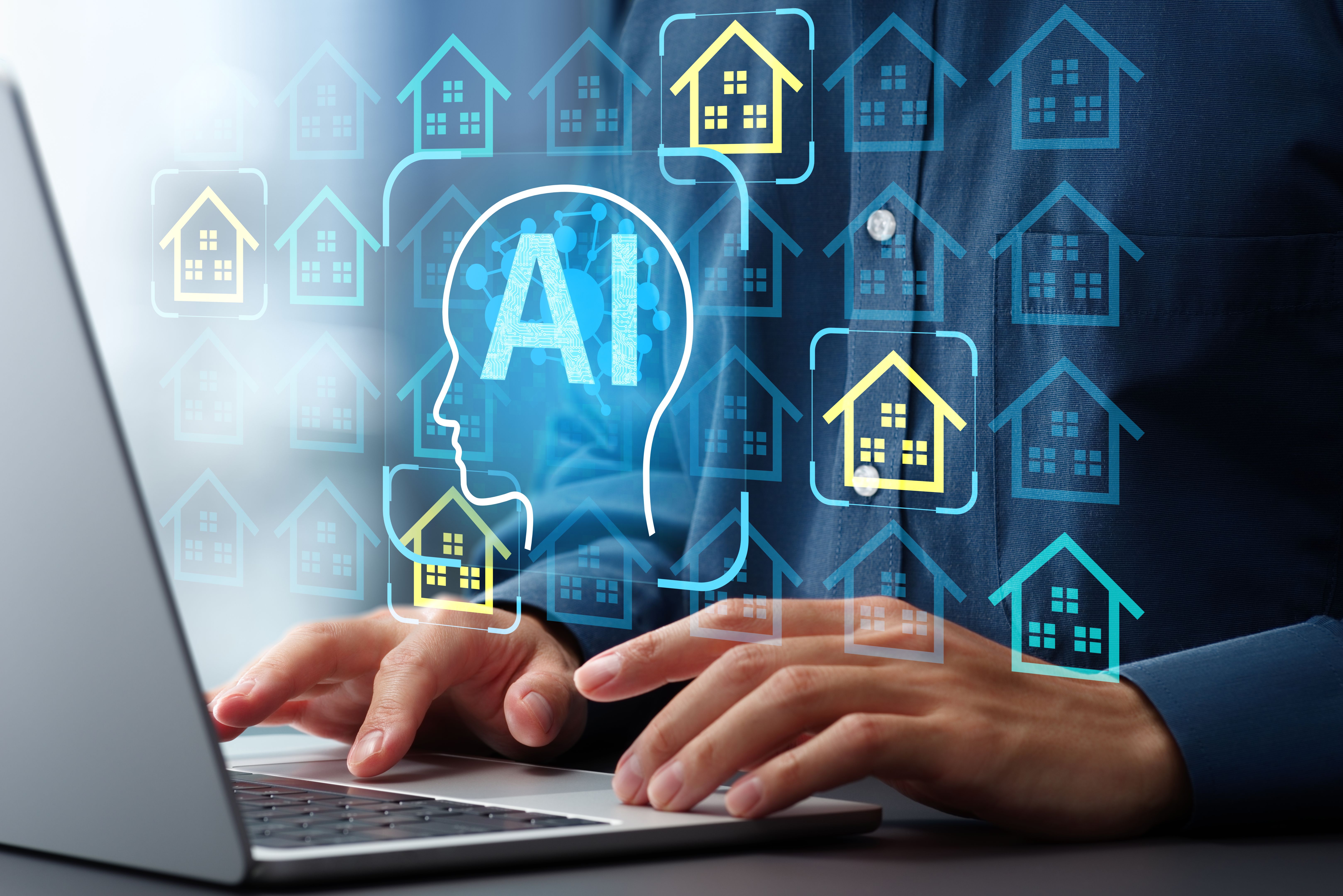
The real estate industry is undergoing a significant transformation, fueled by technological advancements. Among these, Artificial Intelligence (AI) is playing a pivotal role in reshaping how properties are marketed and sold. Understanding these emerging digital trends is crucial for real estate professionals looking to stay ahead of the competition.
AI-Powered Customer Insights
One of the most impactful applications of AI in real estate marketing is its ability to provide deep customer insights. By analyzing vast amounts of data, AI tools can predict buyer behavior and preferences, allowing marketers to tailor their strategies accordingly. This leads to more personalized marketing efforts that resonate with potential buyers.
AI algorithms can segment audiences based on various factors such as demographics, browsing habits, and past interactions. This segmentation enables marketers to deliver targeted content that meets the specific needs and interests of each group, enhancing engagement and conversion rates.
Automation of Marketing Processes
AI-driven automation tools are revolutionizing how real estate marketing campaigns are managed. Tasks that once required manual input, such as email marketing, social media posting, and lead nurturing, can now be automated with precision. This not only saves time but also ensures consistency and accuracy in marketing efforts.

Automation allows real estate professionals to focus more on strategic planning and relationship building, while AI handles the repetitive tasks. This shift not only improves efficiency but also enhances the overall customer experience.
Enhanced Property Visualization
Virtual reality (VR) and augmented reality (AR) are gaining traction in real estate marketing, thanks to AI advancements. These technologies offer potential buyers immersive experiences that allow them to explore properties from the comfort of their homes. AI enhances these experiences by generating realistic simulations and interactive tours.
By providing a more engaging way to view properties, real estate agents can attract a wider audience and reduce the time spent on physical property visits. This trend is especially beneficial in the current digital-first world, where convenience and accessibility are paramount.

Predictive Analytics for Market Trends
Predictive analytics, powered by AI, is becoming a cornerstone in real estate decision-making. By analyzing historical data and current market conditions, AI tools can forecast future trends and property values. This information is invaluable for real estate professionals looking to make informed investment decisions.
With predictive analytics, agents and investors can anticipate market shifts, optimize pricing strategies, and identify lucrative opportunities before their competitors. This proactive approach can significantly enhance profitability and market positioning.
Conclusion
As AI continues to evolve, its impact on real estate marketing will only grow. By embracing these emerging digital trends, real estate professionals can enhance their marketing strategies, improve customer engagement, and drive business growth. Staying informed about AI developments is essential for those looking to thrive in the competitive real estate landscape.